GOES-16 ABI — Southern Plains Sector — Latest image from NOAA/NESDIS. Updated every 5–10 minutes.
ℹ Tip: During the pre-convective period, visible satellite (daytime) shows cumulus development 30–60 min before storms appear on radar. Water vapor shows jet stream position and dry intrusions. IR shows cloud-top temperatures: colder tops = taller/stronger updrafts.
Day 1 Categorical Outlook — TSTM / MRGL / SLGT / ENH / MDT / HIGH
Day 1 Tornado Probability (%)
Day 1 Hail Probability (%)
Day 1 Damaging Wind Probability (%)
Day 2 Categorical Outlook
Day 3 Categorical Outlook
ℹ Outlooks updated: Day 1 at 0600, 1300, 1630, 2000, 0100 UTC. Day 2 at 0600, 1730 UTC. Day 3 at 0730 UTC. SLGT = 15% or greater tornado / 30% severe wind or hail probability. ENH and above = significant severe weather potential. PDS = Particularly Dangerous Situation.
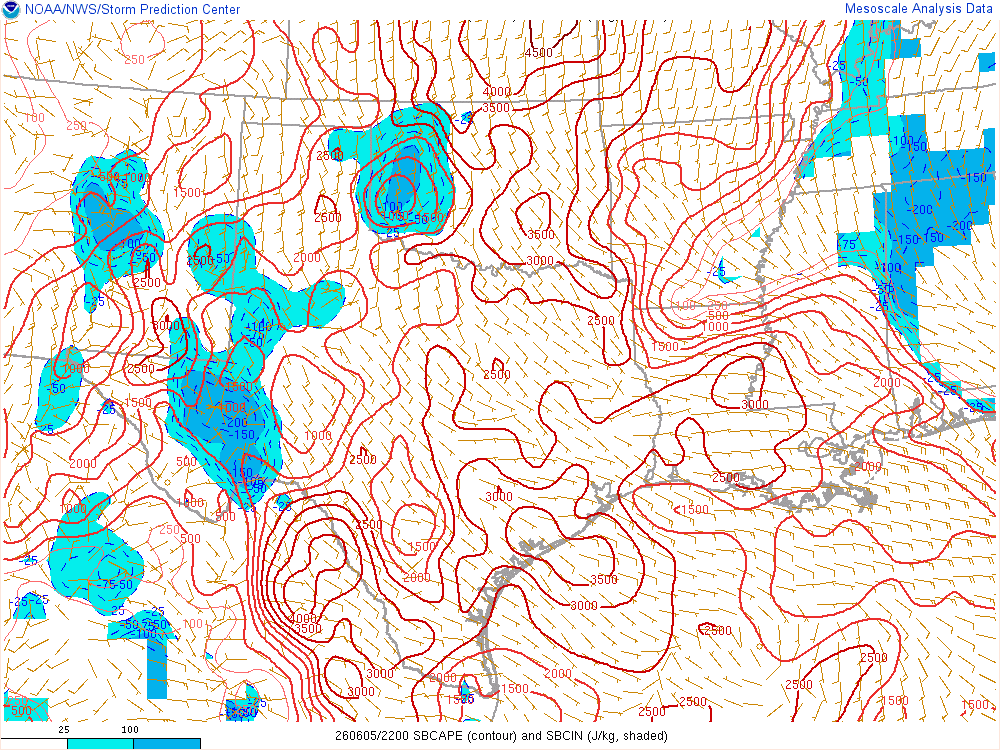
Surface-Based CAPE (J/kg) — <500 weak, 500–2000 moderate, >2000 significant updraft potential. Central Texas often 3000–5000 in spring.
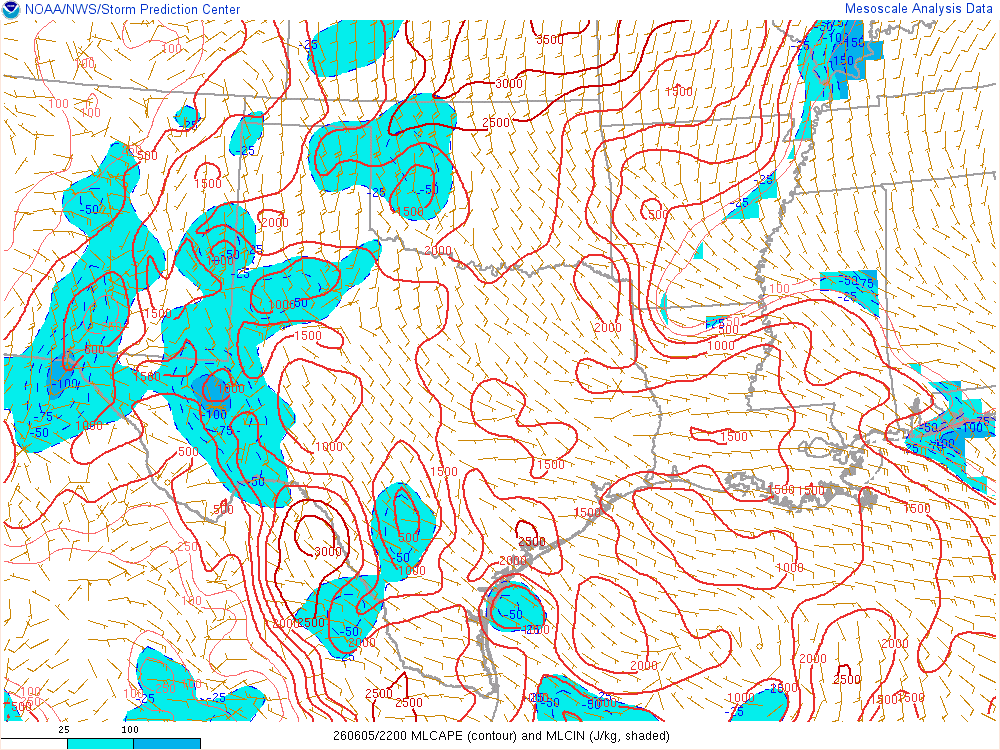
Mixed-Layer CAPE (J/kg) — More representative than SBCAPE when surface layer is modified. Use for overall convective potential.
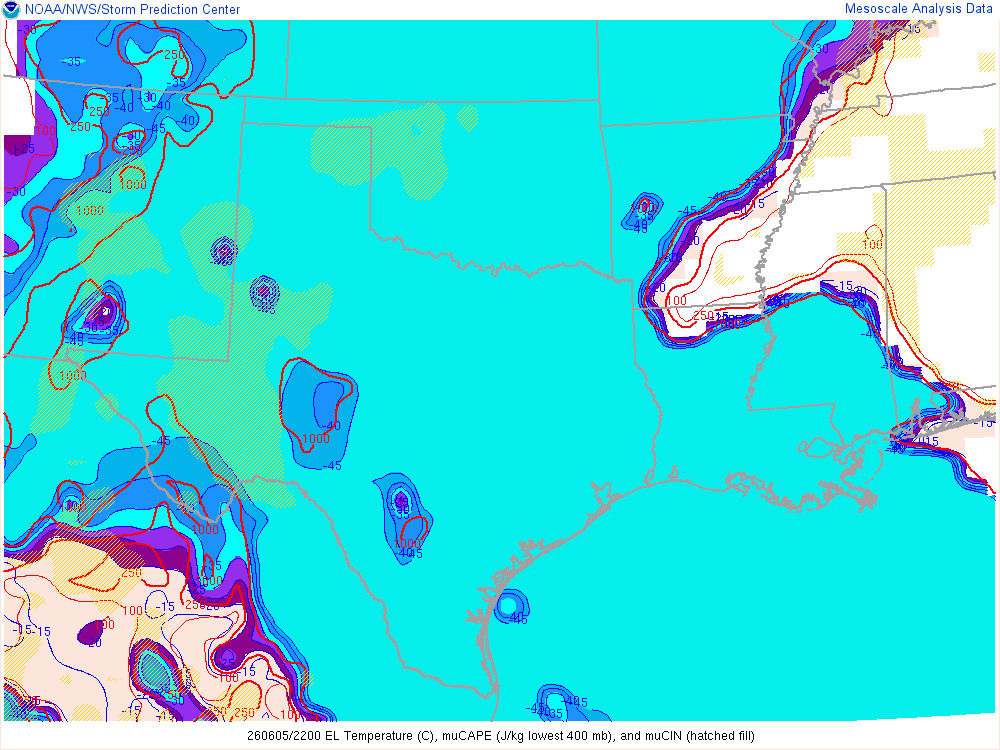
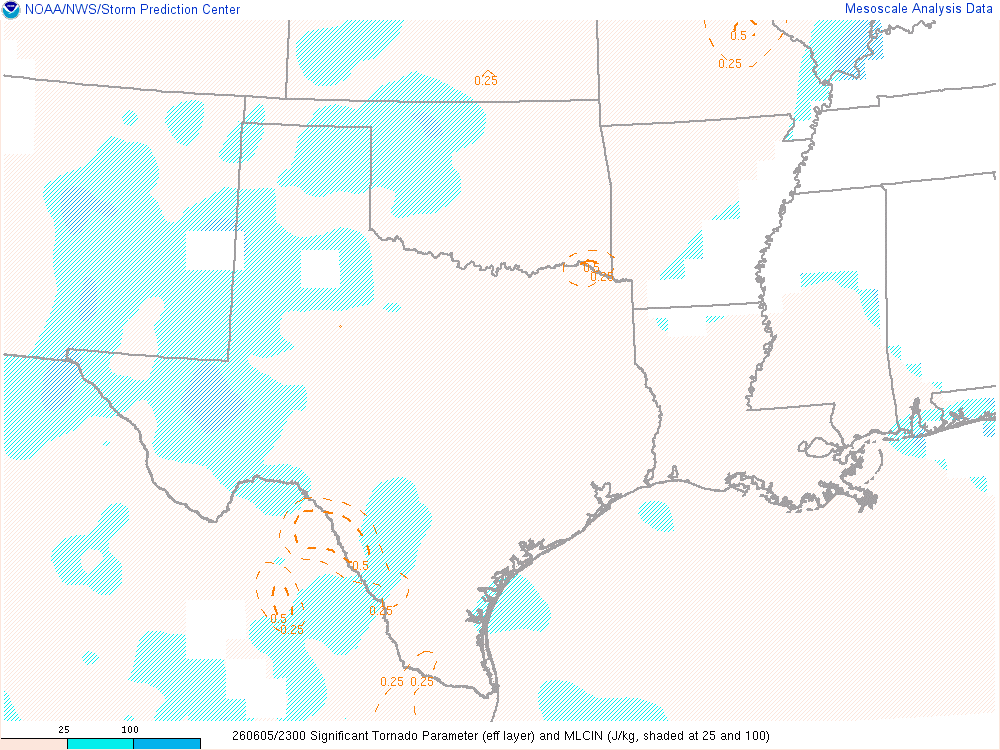
EL Temp / MUCAPE / MUCIN — MUCIN is the convective cap. 50–150 J/kg = CAPE building under cap. >200 J/kg = cap unlikely to break. When cap breaks, explosive development possible.
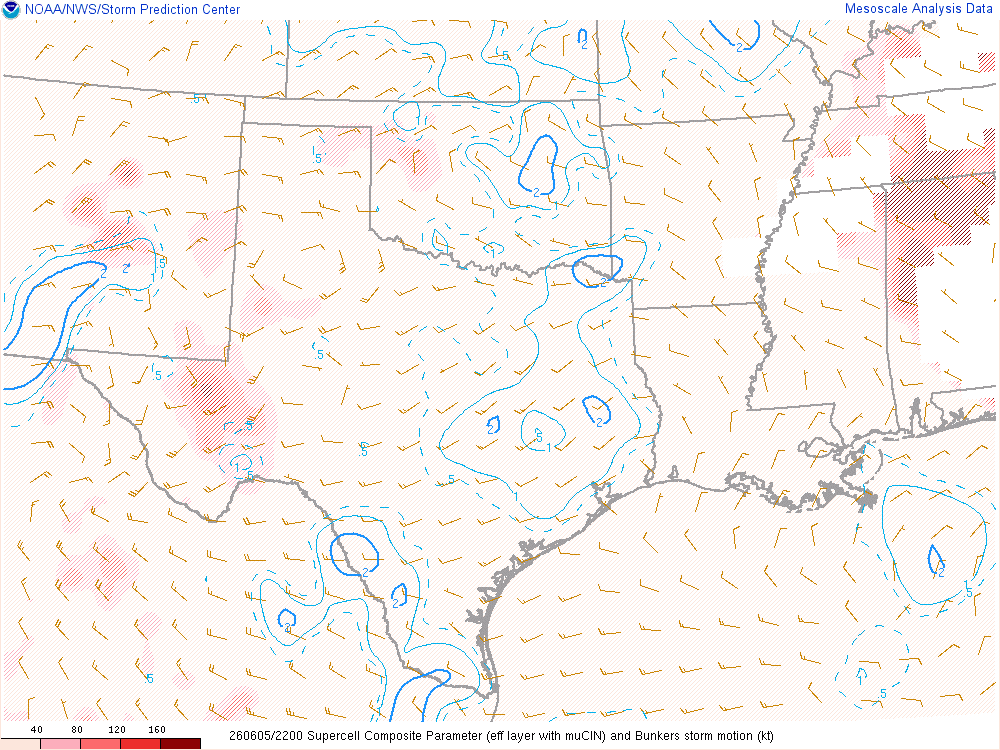
Supercell Composite Parameter — SCP > 1 = supercell development favored. Combined measure of instability, lift, shear, and helicity.
ℹ SPC Mesoanalysis images updated hourly. Images are analyses of current atmospheric data, not forecasts. Combine with AFD SHORT TERM discussion and hourly forecast for full picture. ↗ Full Mesoanalysis page
🌍 Synoptic Pattern Overview — WPC Analysis
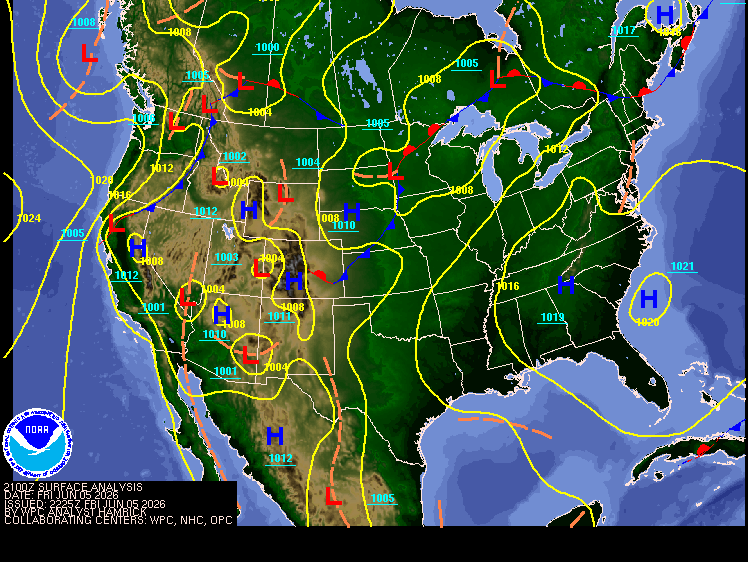
WPC Surface Analysis — Front positions, low/high pressure centers, dryline location. Updated every 3 hours.
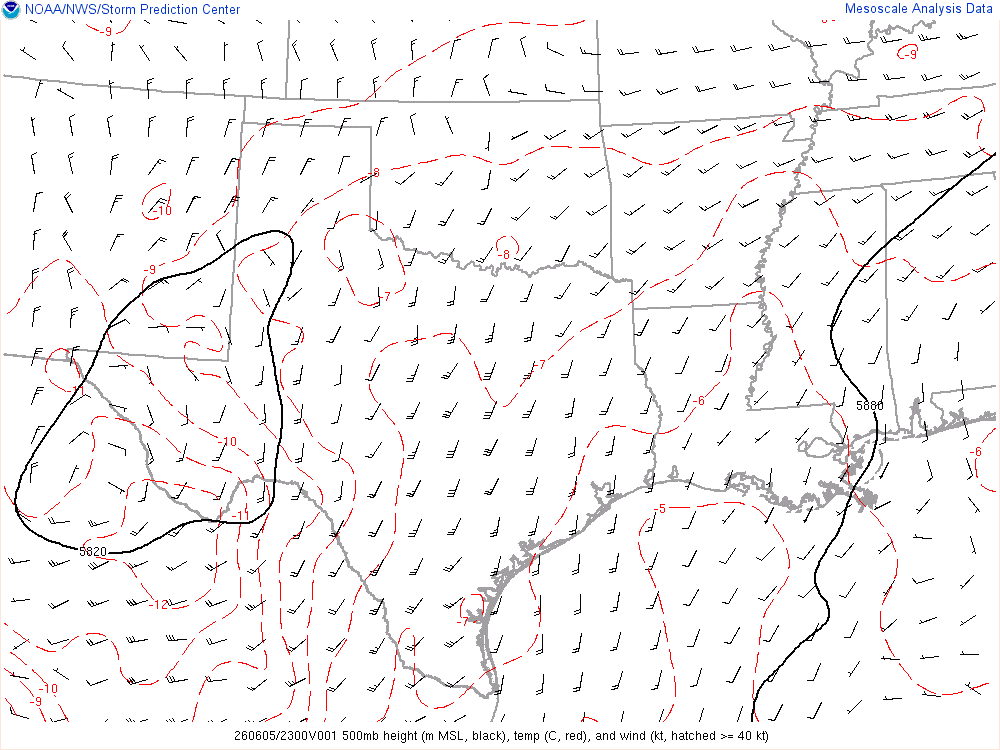
500mb Height Analysis — Ridges and troughs. Troughs promote lift; ridges suppress convection. Jet stream position critical for Central Texas spring severe weather.
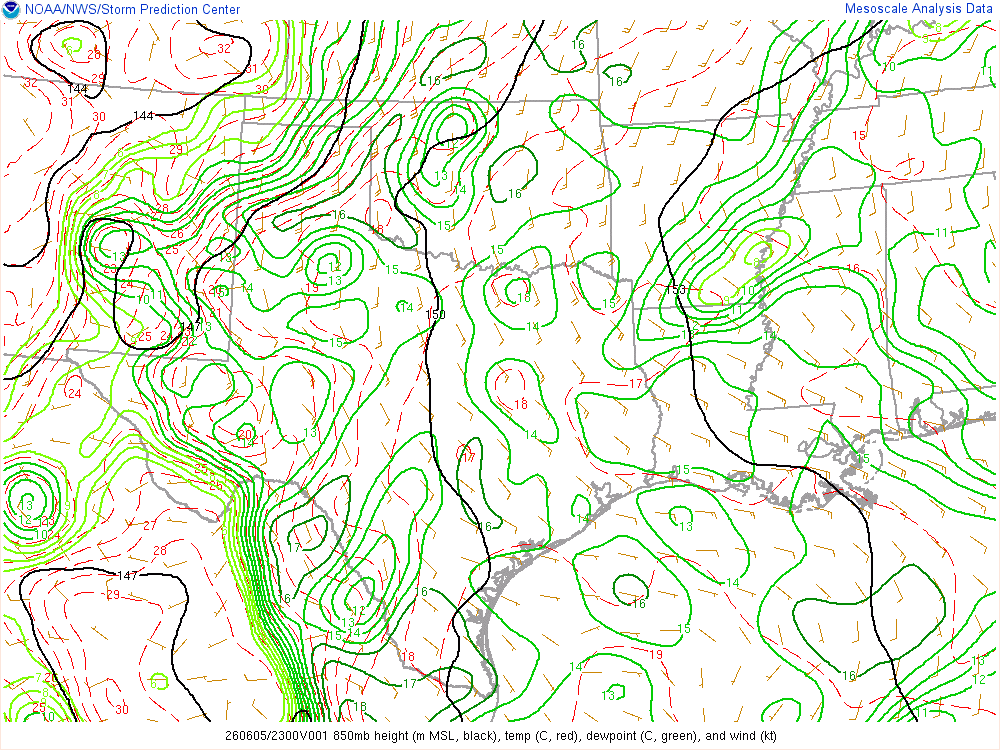
850mb Temperature & Low-Level Jet — Warm air advection and the nocturnal low-level jet (LLJ) drive overnight storm development over Central Texas.
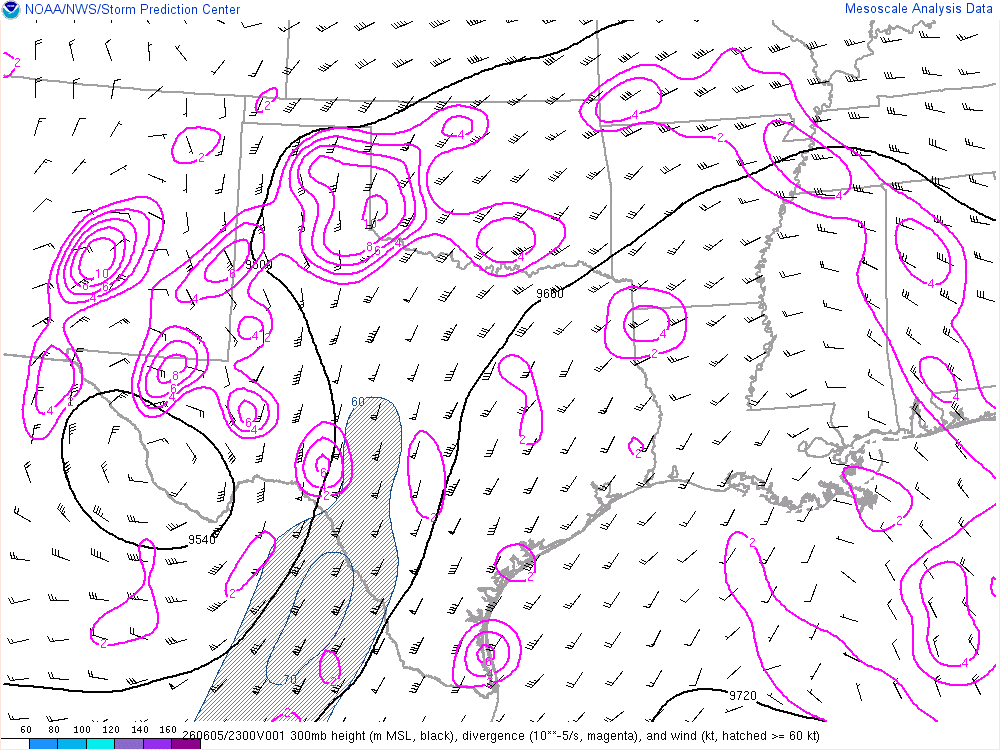
300mb Jet Stream — Right entrance region (NE of jet maximum) provides strong upper-level divergence that enhances supercell development.
ℹ WPC analyses updated every 3 hours. For severe weather days, look for: (1) dryline approaching from W/SW, (2) trough axis over TX/OK, (3) jet max overhead or just NW, (4) strong warm air advection on 850mb. All four = classic Central Texas supercell setup.